
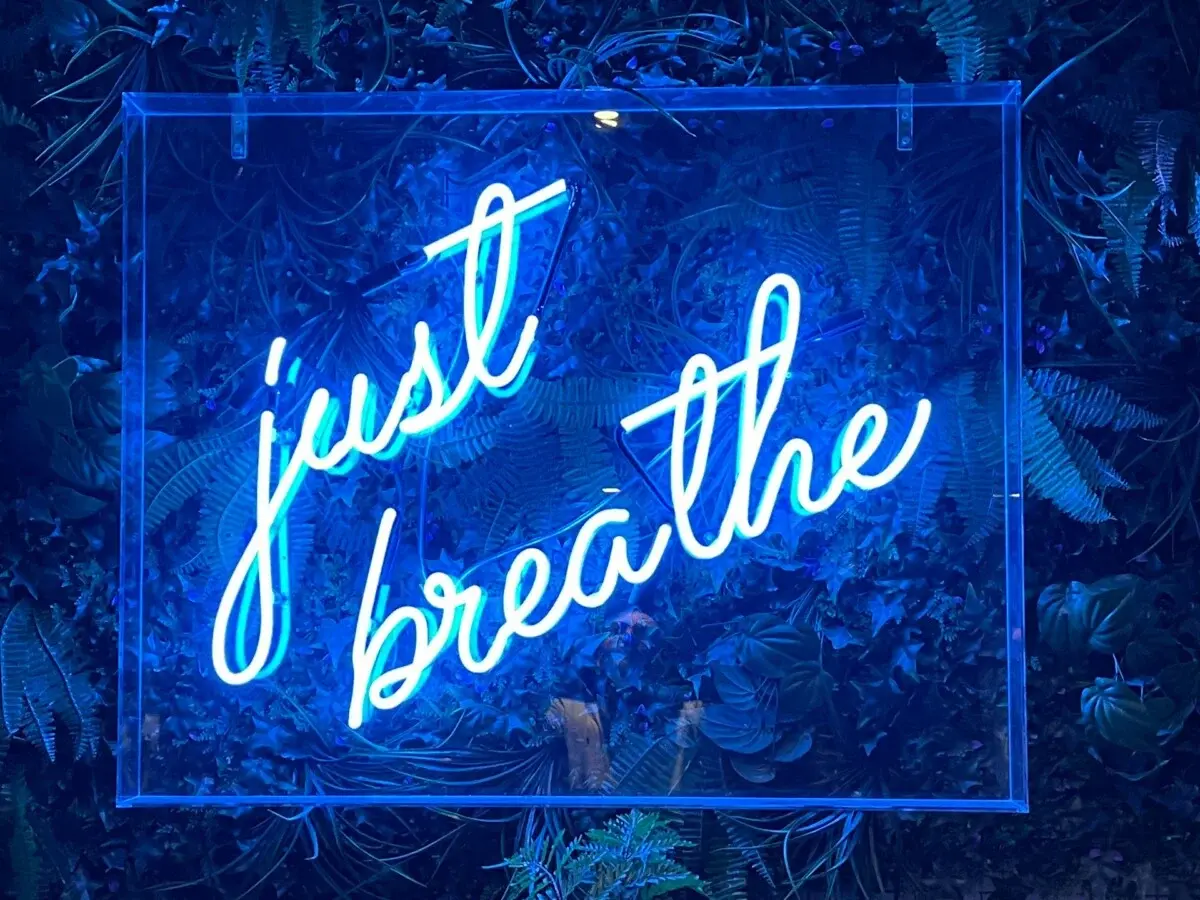
Many HR leader that we speak to tells us a familiar story:
“Our people aren’t running out of talent. They’re running out of energy.”
In today’s environment, demands escalate faster than capacity can grow. The differentiator is no longer effort, but the ability to manage one’s internal state. And the truth is easy to overlook: teams copy the leader’s state long before they follow their strategy.
This is why the most forward-thinking Chief People Officers are becoming champions of energy literacy across their organisations. Not through complex programmes or large-scale initiatives, but through something far simpler: practical, learnable skills that shift the emotional climate of a team and strengthen performance.
People often mistake these kinds of things with ‘mental health’ or ‘wellbeing’ practices but miss the purpose of the exercise. But as we have pointed out in previous articles its not mental health its emotional health. We focus on energy because its energy that informs emotions. Which in turn drive feeling, thinking, behaviour and ultimately take us to the result we want or need. It also doesn't need to be a laborious task and the good news is that you can begin with just one hour a week.
Why Energy Skills Matter More Than Ever
Long before anyone speaks in a meeting, the nervous system is already at work signalling safety or threat, coherence or chaos. When people are tense, fatigued, or emotionally fragmented, no amount of process optimisation will deliver sustained performance.
But when a leader helps teams regulate their internal experience, even at a basic level, the impact is immediate.
Communication becomes clearer. Flare-ups reduce. Creative thinking returns.
And meetings shift from something draining to genuinely productive.
Energy skills are not abstract or esoteric. They are biological, repeatable, and accessible to everyone.
A Four-Skill Micro-Curriculum (One Skill per Week)
We encourage leaders to model and champion a simple set of practices that act as the beginning of a deeper developmental journey. Try introducing one practice in your own life each week. Once you’re confident start introducing them to others. They are light-touch, practical skills designed to embed quickly.
1. Coherent Breathing: Reset the System
People often say “take a deep breath”, which can be one of the worst things to do in stressful moments. A deep breath is usually held, which creates more internal pressure, reduces oxygenation, and places extra load on the heart.
What you really need is rhythmic breathing.
It is simple enough to do without anyone noticing, but your body will. Breathe in for five seconds, pause briefly, and breathe out for five seconds. Repeat five times and notice the shift in your system.
This rhythmic breathing stabilises the autonomic nervous system, reduces emotional volatility, and restores cognitive capacity. Use it before meetings, difficult conversations, and strategic work. A few minutes can genuinely change the tone.
2. Recovery Breaks: Short and Intentional
Most breaks don’t restore the body.
Recovery breaks are deliberate: a change of state, not just a change of activity.
Guide the team to introduce a 5 minute reset throughout the day. It can be anything, try getting them to step outside, breathing, stretching at their desk. Anything that brings the system back into balance.
3. Meeting Hygiene: Protect Attention
A productive meeting begins before anyone speaks.
Model a 60-second arrival practice. Check in with where people are & how they feel. Set one clear outcome for the meeting and at the end close with a quick coherence check:
“How is everyone leaving compared to how they arrived?”
This alone reduces reactivity and unnecessary rework.
4. End-of-Day Reset: Finish Well
Most people finish the day carrying accumulated tension.
A simple reset ritual. Three coherent breaths, a short reflection on what worked, and a deliberate “off switch” practice ( a conscious shutting of the laptop lid) . Start to train the nervous system to downshift.
The result is better evenings, better sleep, and better mornings.
Individually these practices are simple. Together they transform the emotional climate of a team.
What You Can Expect
When leaders & teams learn even these foundational skills, the shift is visible:
• Sharper focus in conversations
• Fewer defensive reactions
• Greater psychological spaciousness
• More innovative thinking
• A measurable lift in team coherence and performance
This is the doorway. Once people feel the difference, they naturally want to go further – into deeper emotional regulation, vertical development, and systemic coherence.
But it starts with one hour a week.
If You’d Like Support
If you’d like help embedding these skills across your teams, we’d love to support you.
Get in touch to start your own coaching or Team Journey and build teams who don’t just work harder, but work more coherently, sustainably, and intelligently.